Most ceramic coatings that disappoint were maintained wrong, not applied wrong. Here is the first-week cure period, correct washing, why water spots are the main threat, and the signs a coating is wearing out.

.png.webp)


.webp)
A ceramic coating is only as good as what happens after it cures. Most coatings that underperform did not fail as products — they were maintained in ways that quietly degraded them.
Here is what the first week requires, how to wash a coated vehicle, and the one threat people never see coming.
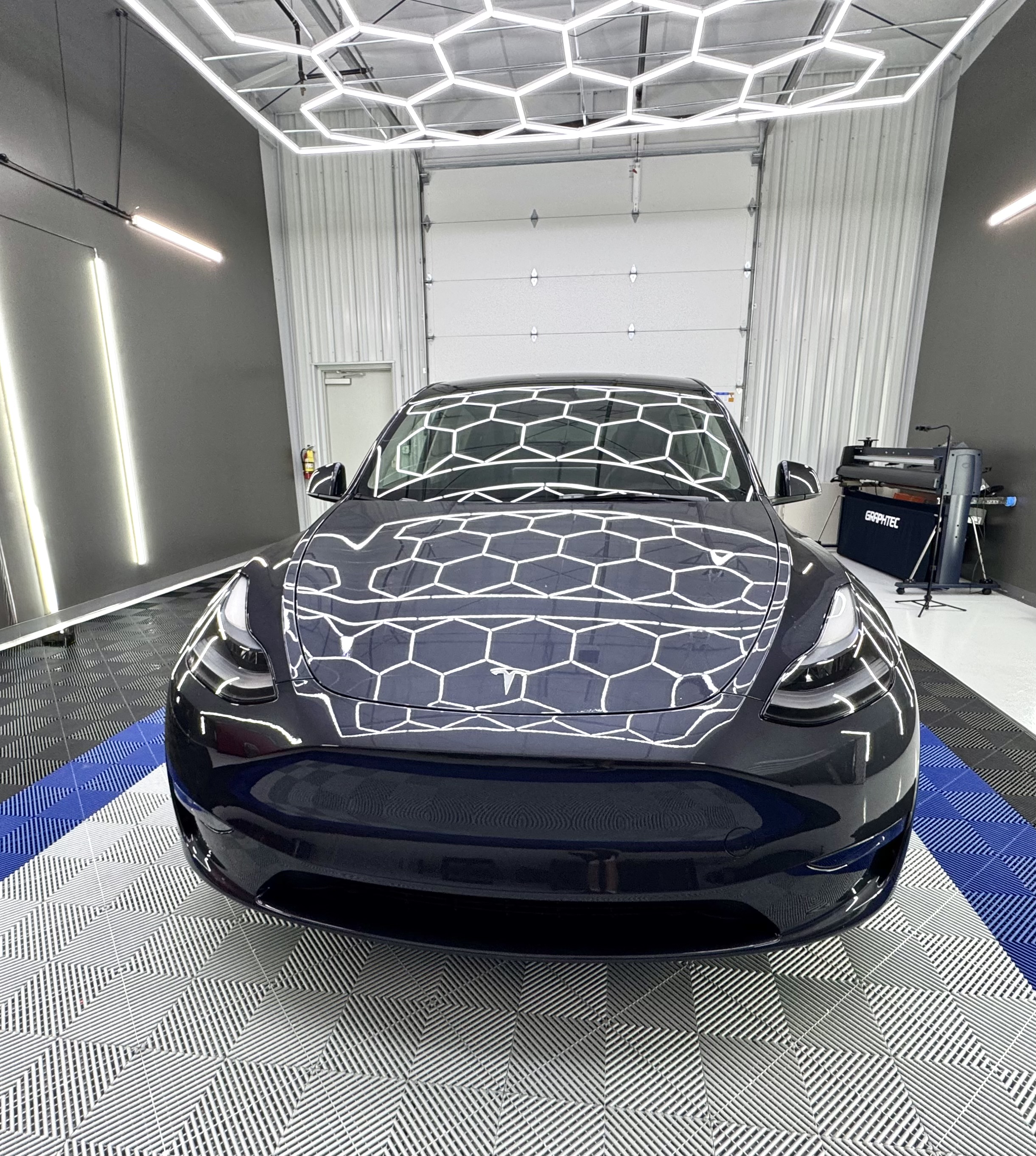
Coatings cure in stages. The surface sets within hours, but full cross-linking takes considerably longer, and during that window the coating is vulnerable in ways it will not be later.
Avoid washing for the period your installer specifies, typically around seven days. Keep the vehicle out of rain where you reasonably can, because water sitting on an uncured coating can leave marks that become permanent. No soaps, no products, nothing on the surface.
If it does get wet during that window, dry it gently with clean microfiber rather than letting it air dry.
Hand wash only. Brush-style automatic washes abrade the coating mechanically. Touchless washes are gentler physically but use aggressive chemistry that degrades coatings over time. Neither is worth what it costs you.
pH-neutral soap. Alkaline and acidic soaps break down coating chemistry. Anything marketed for coated vehicles will be pH neutral — that is the specification that matters, not the brand.
Two buckets with grit guards. The coating resists chemical bonding, not physical abrasion. Grit dragged across a coated surface still marrs it.
Wheels first, with separate tools. Brake dust is iron, and getting it into your paint mitt undoes the whole point.
Dry it every time. This is the one that actually determines coating life.
This is the failure mode people do not anticipate, and it is the most common way coatings get ruined.
Water spots are mineral deposits — calcium and magnesium left behind when water evaporates. Your water contains them regardless of what is on your paint. A coating does not filter minerals out of water.
Here is the counterintuitive part: a hydrophobic surface can make spotting worse. Water beads into tight concentrated droplets instead of sheeting off in a film. Each bead holds its minerals in one small area and deposits all of them in that spot when it evaporates. More concentration, more visible marking.
Left alone, those minerals etch into the coating. Once etched, the affected area has to be polished — which removes the coating there and means spot reapplication.
The prevention is simple: dry the vehicle every time. Plush microfiber drying towels or a filtered blower. Never let it dry in the sun. And if you park somewhere lawn irrigation hits the car, move it. Sprinkler water is often high in minerals and it runs while nobody is watching.
A coating buys time. It does not confer immunity.
Bird droppings are acidic and will etch through a coating if left long enough in summer heat. Tree sap hardens and bonds. Bug residue is acidic. In Chattanooga, pollen belongs in the same category — it releases far more easily from a coated surface, but leaving it through a rain cycle and then baking sun still causes problems.
The rule: a coating means you have hours or days to deal with contamination instead of minutes. It does not mean you have forever.
Ceramic boosting sprays and detail sprays formulated for coated vehicles get applied after washing. They restore hydrophobic behavior and add a sacrificial layer that takes wear instead of the coating underneath.
These are genuinely useful rather than an upsell. They are also the answer when a coating starts losing its water behavior but has not actually worn through.
What to avoid: traditional wax or sealant over a coating. Those products fill the surface, mask the hydrophobic properties you paid for, and accomplish nothing the coating was not already doing better.
Many installers offer a periodic maintenance wash, typically every six to twelve months. It is worth considering for two reasons.
First, it includes a decontamination step that removes anything bonded despite the coating, plus a topper application. Second, it functions as an inspection — whoever installed it can see how it is holding up and catch problems early.
Some coating warranties require documented maintenance to remain valid. Worth checking yours before assuming coverage is automatic.
No automatic car washes, brush or touchless. No dish soap or degreasers, which strip coatings quickly. No abrasive polishes, which remove the coating outright. Do not skip drying. And do not assume the coating handles everything — that assumption is behind most coating disappointments.
The maintenance is not complicated. Hand wash with pH-neutral soap, dry the car every time, stay out of brush washes, and remove contamination the same day you notice it.
Coatings that disappoint usually got treated as though they needed nothing at all. Treated properly, a professional coating holds its performance for years.
Answers to the burning questions in your mind.

Follow the timeframe your installer specifies, usually about seven days. Coatings cure in stages — the surface sets within hours, but full cross-linking takes longer, and the first week is when the coating is most vulnerable.
If the vehicle gets rained on during that window, dry it gently with clean microfiber rather than letting it air dry.
Because water spots are mineral deposits, not dirt. Your water contains calcium and magnesium regardless of what is on your paint, and those minerals stay behind when the water evaporates.
A hydrophobic surface can actually make spotting more visible, because water beads into tight concentrated droplets rather than sheeting off. Each bead deposits all its minerals in one small area. The fix is drying the car rather than letting it air dry.
Water stops beading tightly and starts sheeting flat across the panel. Dirt sticks more and washing takes noticeably more effort. The surface loses the slick feel it had when new.
Some of that is recoverable with decontamination and a ceramic topper. If the coating has genuinely worn through, reapplication means starting over with paint correction first.
.avif)